
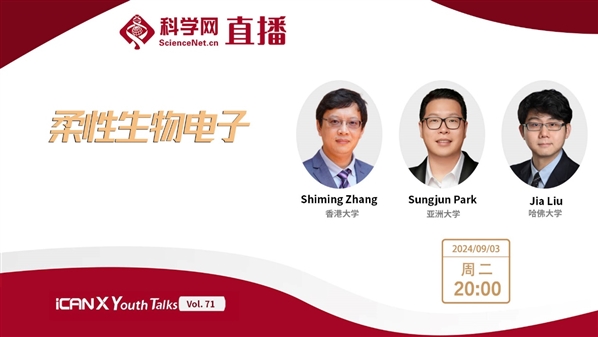
直播時間:2024年9月3日(周二)20:00-22:00
直播平臺:

科學網APP
https://weibo.com/l/wblive/p/show/1022:2321325074526466605192
(科學網微博直播間鏈接)

科學網微博

科學網視頻號
北京時間9月3日晚八點,iCANX Youth Talks第七十一期邀請到了香港大學張世明,亞洲大學Sungjun Park,哈佛大學劉嘉三位教授主講,清華大學徐曉敏作為研討嘉賓,廣東以色列理工學院王燕擔任主持人,期待你一起加入這場知識盛宴。
【嘉賓介紹】
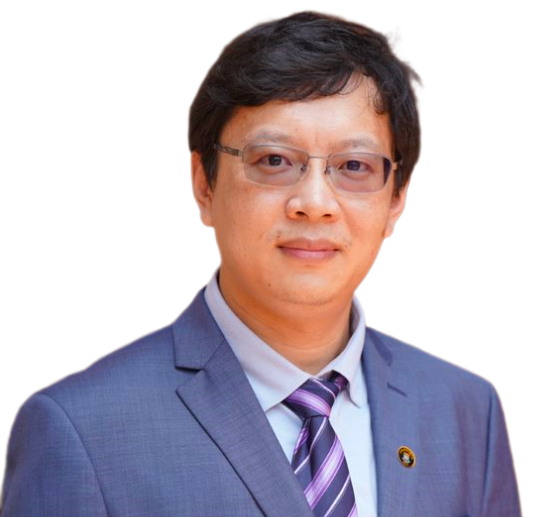
Shiming Zhang
香港大學
Tissue-like microelectronics linking humans and machines
【Abstract】
Wearable bioelectronic research has reached a new level for their potential to enable real-time body monitoring towards digital health and AI medicine. The emergence of soft bioelectrochemical technologies has further enabled a seamless interface between research tools and biological tissues, allowing for the collection of high-quality and more informative biochemical signals at their origin, even under prolonged use and arbitrary motions. However, the sensitivity of conventional soft bioelectrochemical sensors shows incapability when used in complicated and noisy wearable scenarios. In this talk, I will introduce materials, devices, and manufacturing of an emerging tissue-like microelectronic technology, tissue-like organic electrochemical transistors (OECTs) [1-3]. I will discuss how tissue-like OECTs can enrich the toolbox of current bioelectrochemical sensors and electronics to promote translational biomedical innovations, spanning from smart wearables, medical imaging, brain-inspired computing, to human-machine interfacing.
可穿戴生物電子在實時人體監測、數字健康和AI醫學領域有巨大應用潛力。類組織軟體生物電化學技術的出現為實現研究工具與生物組織之間的無縫接口提供了可能[1-3],使其能夠在原位收集高質量且更具信息性的生化信號。然而,傳統軟體生物電化學傳感器的靈敏度在復雜和嘈雜的可穿戴場景中表現出不足。在此次報告中,我將介紹一種新興的類組織仿生微電子技術——類組織有機電化學晶體管(OECTs)。我將介紹開發此類技術的材料、制備及系統級集成應用。我將探討相比與傳統生物電化學傳感器,類組織OECTs技術如何能推動生物醫學創新:從智能可穿戴設備、醫學成像、類腦計算、到人機交互。
【BIOGRAPHY】
Shiming Zhang is currently an assistant professor at the University of Hong Kong (HKU), leading the Wearable research group. He has a transdisciplinary training record across the fields of microelectronics (Bachelors), electrochemistry (PhD), and biomedical engineering (Postdoc), making him uniquely qualified for wearable bioelectronic research. He currently holds cross-departmental appointments at HKU Engineering, HKU Medical School, HKU Shenzhen Hospital, and the Terasaki Institute affiliated at the University of California, Los Angeles (UCLA). These resourceful, complementary, and collaborative research environments, with Prof. Zhang as the coordinator, have led to the development of the first wearable biosensing platform at HKU (the PERfECT wearable platform) [4,5].References:[1] Zhang Shiming, et al., Nature, 2018[2] Zhang Shiming*, et al., IEEE Electron Device Letters, 2021[3] Zhang Shiming et al., Nature Machine Intelligence, 2023[4] Zhang Shiming*, et al., Science Advances, 2024[5] Zhang Shiming*, et al., Nature Electronics, 2024
張世明目前是香港大學電機電子工程系的助理教授,并擔任香港大學智能可穿戴技術實驗室的首席研究員。他曾在中國吉林大學(電子學、學士),加拿大蒙特利爾大學(電化學、博士),和美國加州大學洛杉磯分校(生物醫學、博士后)從事研究工作。高度跨學科的受訓背景,促使他領導的課題組率先開發了基于有機電化學晶體管(OECT)技術的全集成可穿戴生物傳感平臺——PERfECT可穿戴平臺[4-5]。張教授擔任多個國際期刊的專題編輯,包括《Advanced Science》和《Biosensors》,并曾在美國MRS、歐洲EMRS和國際IEEE等頂級會議上擔任組織者、會議主席和受邀參會人。他在類組織OECT技術和水凝膠晶體管技術方面的開創性工作,為他贏得了包括國際期刊《Advanced Science》的“Rising Star Award”、加拿大自然科學與工程委員會“Vanier Canada Scholar”,以及香港研究資助局(RGC)新進學者協作研究金(YCRG)等多項榮譽。
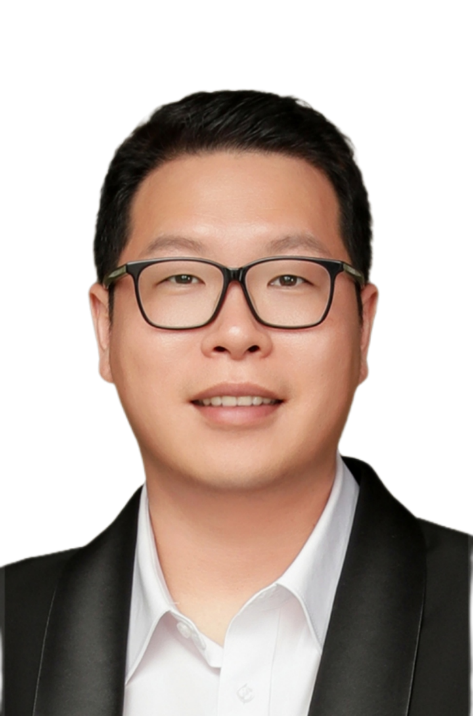
Sungjun Park
亞洲大學
Ultra-flexible Skin-compatible Organic Optoelectronic Devices
【ABSTRACT】
Ultra-flexible organic optoelectronic devices offer groundbreaking possibilities for next-generation biomedical and wearable technologies, particularly within the Internet of Things framework. The inherent flexibility of organic materials, combined with their cost-effective and efficient processing techniques, has accelerated the development of flexible electronic materials and devices. Enhancing their electronic capabilities and mechanical resilience should be focused on to fully exploit the potential of these human-centric wearables and sensors. In this talk, I will present a detailed overview of the latest milestones and ongoing challenges in the realm of ultra-flexible organic opto-electronics. Our discussion will highlight early results from strategic material choices and structural engineering aimed at creating energy harvesters and sensors compatible with human skin. Ensuring these devices maintain their photonic and electrical integrity under mechanical stress is paramount. By sharing our discoveries, we aim to stimulate further research, enriching the evolution of ultra-flexible electronics across various sectors, including wearables, primary healthcare, medical diagnostics, and AR/VR motion detection. Through persistent innovation, we can seamlessly integrate cutting-edge electronics into everyday experiences, enhancing quality of life and expanding technological horizons.
超柔性有機光電子器件為下一代生物醫學和可穿戴技術,特別是在物聯網框架內,提供了開創性的可能性。有機材料固有的柔韌性,加上它們成本效益高且高效的加工技術,加速了柔性電子材料和器件的發展。為了充分利用這些以人為本的可穿戴設備和傳感器的潛力,應集中提高它們的電子能力和機械韌性。在本次演講中,我將詳細介紹超柔性有機光電子領域的最新里程碑和持續挑戰。我們的討論將重點介紹戰略性材料選擇和結構工程的早期結果,旨在創建與人體皮膚兼容的能量收集器和傳感器。確保這些設備在機械應力下保持其光子和電氣完整性至關重要。通過分享我們的發現,我們旨在激發進一步的研究,豐富超柔性電子在各個領域的發展,包括可穿戴設備、初級醫療保健、醫療診斷以及AR/VR運動檢測。通過持續創新,我們可以將尖端電子技術無縫集成到日常體驗中,提高生活質量并拓寬技術視野。
【BIOGRAPHY】
Prof. Sungjun Park is an Associate Professor in the Department of Electrical and Computer Engineering and the Department of Intelligence Semiconductor Engineering at Ajou University, Republic of Korea. He earned his PhD in 2016 from the School of Materials Science and Engineering at the Gwangju Institute of Science and Technology, Republic of Korea. Before joining Ajou University in 2020, he conducted postdoctoral research at RIKEN in Japan and worked as a Senior Researcher at the Samsung Advanced Institute of Technology (SAIT) in the Republic of Korea. Prof. Parks research focuses on developing novel solution-processed electronic materials and integrating them into flexible and stretchable electronics for wearable sensors and biomedical applications. He has published extensively in top international journals, including Nature, Nature Nanotechnology, Nature Energy, Materials Science and Engineering: R: Reports, Advanced Materials, Advanced Functional Materials, Proceedings of the National Academy of Sciences (PNAS), ACS Nano and Small. He also serves as the lead guest editor (GE) for the npj Flexible Electronics collection. Beyond his academic achievements, Prof. Park holds 18 U.S. patents and has successfully completed three technology transfers to industry, amounting to approximately $0.3 million USD since 2021. He can be reached via email at sj0223park@ajou.ac.kr.
Sungjun Park教授是韓國亞洲大學電氣與計算機工程系和智能半導體工程系的副教授。他在2016年從韓國光州科學技術院材料科學與工程學院獲得了博士學位。在2020年加入亞洲大學之前,他在日本理化學研究所進行了博士后研究,并在韓國三星先進技術研究院(SAIT)擔任高級研究員。樸教授的研究重點是開發新型溶液處理的電子材料,并將它們集成到柔性和可拉伸的電子器件中,用于可穿戴傳感器和生物醫學應用。他在包括《自然》、《自然納米技術》、《自然能源》、《材料科學與工程報告》、《先進材料》、《先進功能材料》、《美國國家科學院院刊》(PNAS)、《美國化學會納米》和小尺寸等頂級國際期刊上發表了大量論文。他還擔任npj Flexible Electronics系列的主要客座編輯(GE)。除了學術成就外,樸教授持有18項美國專利,并自2021年以來成功完成了三次技術轉移至產業界,總計約30萬美元。他可以通過電子郵件 sj0223park@ajou.ac.kr 聯系。
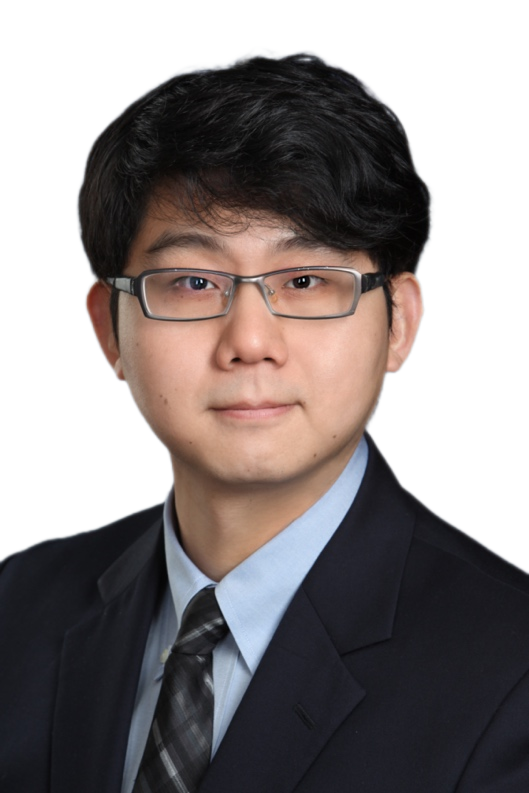
Jia Liu
哈佛大學
Soft and flexible bioelectronics for brain-machine interfaces
【ABSTRACT】
Biological organisms often possess remarkable multifunctionality through intricate structures, such as the concurrent shape-morphing and stiffness-variation in octopus. Soft robots, which are inspired by natural creatures, usually require the integration of separate modules to achieve these various functions. As a result, the whole structure is cumbersome and the control system is complex, often involving multiple control loops to finish the required task. In this talk, inspired by the biological creatures in nature, I introduce soft robotic structures that can vary stiffness and change shape simultaneously in a highly-integrated compact body. The robotic structure is enabled by the inversely designed programmable unit cells. After fabrication, the robotic structure is inherently soft and flexible. When actuated by confining pneumatic pressure or tendons, it transitions to its designated shape and becomes stiff concurrently. I demonstrate the versatility of our design through practical applications including a soft amphibious robot that can complete a series of tasks including ground crawling, swimming, narrow channel passing, obstacle overcoming, and load bearing, as well as a drone landing system adaptable to varying loads for protection. I further showcase their potentials in assistive wearable devices. With these examples, we aim to create opportunities for future soft robots that are highly-integrated and mimic multifunctional biological organisms.
通過腦機接口進行大規模腦圖譜測繪對于解碼神經元活動、解決神經系統疾病以及開發先進的計算機及人工智能至關重要。但是,完善腦機接口技術本身也面臨巨大的科學研究和工程技術的挑戰。對于生物系統的測量,最基本的需求是在特定的時間、空間和生物體的行為下研究具有特定基因型的細胞和細胞網絡的活性。對于大腦系統而言,重要的功能性認知活動的構建和發生往往持續數月甚至數年,并且需要多個不同腦區在三維空間,全腦尺度下協同作用。同時,構建這些認知活動的電化學脈沖動作電位又發生在毫秒量級并且被限定在多達數十億、多種基因表型、實時變化且只有微納米尺度的神經元和突觸中。因此,最終腦圖譜繪制的目標是要以單細胞分辨率、毫秒級時間分辨率和細胞類型特異性同時記錄數百萬甚至數十億神經元的活動,覆蓋大腦發育、學習和衰老過程中的三維腦組織。在本次報告中,我將首先介紹具有同生物組織力學性能一致的柔性和柔軟生物電子器件。這些生物電子器件可以在動物整個成年期內跟蹤大腦中同一神經元的電生理活動。我將討論使用柔軟電子材料構建生物電子器件的基本限制,并介紹我們如何克服這些限制的策略,從而實現大規模、長期穩定的柔性腦機接口。接下來,我將介紹如何通過在二維干細胞組織培養中嵌入可拉伸的網狀電極陣列,通過二維到三維器官發育重組,實現“賽博生物”的創建。我也將討論如何利用賽博技術,實現在人體大腦類器官和動物胚胎大腦發育過程中進行連續的三維電生理學研究。然后,我將重點介紹我們當前將三維單細胞空間轉錄組學、機器學習和電記錄相結合的努力,從而實現細胞類型特異性的腦活動圖譜。最后,我將展望如何有效地融合柔性生物電子學、空間轉錄組學與人工智能,以構建全方面的大腦單細胞功能空間圖譜以增強未來腦機接口的應用。
【BIOGRAPHY】
Professor Liu received his PhD in Chemistry from Harvard University in 2014, after which he completed postdoctoral research at Stanford University from 2015-2018. He joined the faculty at the Harvard School of Engineering and Applied Sciences as an Assistant Professor in 2019. At Harvard University, Professor Liu’s lab focuses on the development of soft bioelectronics, cyborg engineering, genetic/genomic engineering, and computational tools for addressing questions in brain-machine interfaces, neuroscience, cardiac diseases, and developmental disorders. Professor Liu has pioneered in bioelectronics where he developed new paradigms for soft electronic materials and nanoelectronics architectures for “tissue-like electronics”, as well as their applications for long-term stable brain-machine interface, high-density cardiac mapping, stem cell maturation, and multimodal spatial biology. His work has been recognized as a milestone in bioelectronics by Science in 2013 and 2017, and as Most Notable Chemistry Research and Top 10 World-Changing Ideas in 2015. He has received numerous awards for his independent career, including the 2022 Inventors Under 35 (Global List) by MIT Technology Review, the 2022 Young Investigator Program (YIP) Award from the Air Force Office of Scientific Research (AFOSR), the 2021 NIH/NIDDK Catalyst Award from the NIH Director’s Pioneer Award Program, the 2020 William F. Milton Award, and the 2019 Aramont Award for Emerging Science Research Fellowship. He is also the cofounder and scientific advisor of Axoft, Inc., a brain-machine interface company.
劉嘉教授2009年本科畢業于復旦大學(導師趙東元院士),2014 年獲哈佛大學博士學位(導師Charles M. Lieber 教授),之后在斯坦福大學化學工程系和生物工程系從事博士后研究(導師Zhenan Bao教授, Karl Deisseroth教授)。2019年加入哈佛大學工程與應用科學學院擔任助理教授。在哈佛大學,劉教授的實驗室致力于開發柔性生物電子學、賽博科技、多模態空間組學和計算生物學工具,以解決包括腦機接口、神經科學、心臟疾病和發育障礙中的科學問題。劉教授在生物電子學領域開創了“tissue-like electronics”,并將其應用于長期穩定的腦機接口、高密度心臟圖譜繪制、類器官和多模態空間生物學。他的工作在2013年和2017年被Science雜志認可為生物電子學的里程碑,并在2015年被評為最重要的化學研究和改變世界的十大創意。他在獨立職業生涯中獲得了諸多獎項,包括2022 Inventors Under 35 (Global List) by MIT Technology Review, the 2022 Young Investigator Program (YIP) Award from the Air Force Office of Scientific Research (AFOSR), the 2021 NIH/NIDDK Catalyst Award from the NIH Director’s Pioneer Award Program、等。他還是腦機接口公司Axoft, Inc.的聯合創始人和科學顧問。
【主持人】
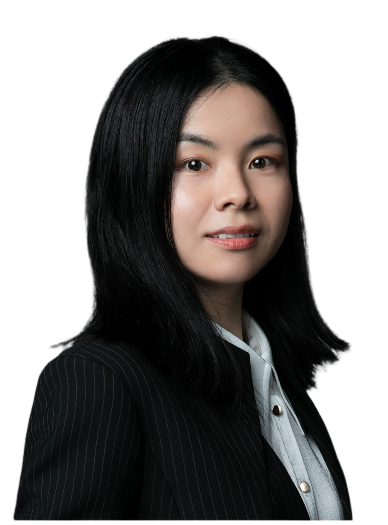
Yan Wang
廣東以色列理工學院
【研討嘉賓】

Xiaomin Xu
清華大學
山西大學智能信息處理研究所團隊在圖神經網絡研究方面取得重要進展,相關成果5月23日發表于人工智能領域國際期刊《IEEE模式分析與機器智能學報》(IEEETransactionsonPatternAna......
原文地址:http://news.sciencenet.cn/htmlnews/2024/10/531421.shtm10月11日,科幻電影《749局》科影融合特別場在京舉行。電影主創團隊與科技領域相......
10月11日,甘肅省迎來了職業教育領域的一個重要里程碑——甘肅林業職業技術大學正式揭牌成立。這一歷史性時刻標志著歷經六十八載發展的甘肅省唯一一所林業類高等院校,正式邁入了本科教育的新階段,開啟了新的征......
”標志性科考活動獲系列重大突破 “第二次青藏科考標志性科考活動守護水塔‘一原兩湖三江’科考主體任務已經基本完成,這次科考從天到地、從冰到水取得了全方位的進展。”第二次青藏科考隊隊長、中國科學......
關于確定2024年國家環境健康管理試點名單的通知北京市、河北省、內蒙古自治區、遼寧省、黑龍江省、江蘇省、浙江省、江西省、山東省、湖北省、湖南省、廣東省、重慶市、四川省、貴州省、陜西省、青海省生態環境廳......
10月8日,華中農業大學果蔬園藝作物種質創新與利用全國重點實驗室、藥用植物資源可持續利用團隊梅之南教授和楊慶勇教授課題組,發布了首個專門面向菊科植物的多組學數據庫平臺——AsteraceaeMulti......
實驗桌上堆放著精密儀器和焊接工具,電腦上是正在運行的電路圖,一頁頁寫滿了數據、畫滿了圖樣的紙張在桌面鋪開,各式或大或小的電子元件前,南京郵電大學工程實驗教學部創新中心副主任郝學元正在埋首研制電工電子實......
近日,記者從中國計量大學獲悉,該校生命科學學院蜜蜂與蜂產品學研究團隊主持的兩項推薦性國家標準《GB/T44349-2024 蜂花粉總多酚的檢測福林酚試劑比色法》和《GB/T44350-202......
10月10日,由廣東省機械行業協會組織并主持召開的“面向軟性物料的多級賦碼追溯柔性包裝生產線研制與應用”項目科技成果鑒定會議在廣東佛山舉行。經專家鑒定,該項目成果總體技術水平達到國際先進水平。記者獲悉......
近日,中國熱帶農業科學院橡膠研究所組培與轉基因團隊在全球率先獲得了橡膠樹CRISPR/Cas9純合基因編輯橡膠苗。相關研究成果在線發表于《經濟作物和產品》(IndustrialCropsandProd......